Our Services
Reflects a commitment to simplifying the complexities of buying and selling property.

Handyman Service
Handyman services for home improvements and maintenance can cover a wide range of tasks. Here are some common services they offer:
Home Improvement Services:
- Painting and Drywall Repair: Interior and exterior painting, patching holes or cracks in drywall.
- Flooring Installation: Laying laminate, hardwood, tile, or carpet.
- Roofing: Minor repairs, shingle replacement, gutter cleaning, and maintenance.
- Plumbing: Fixing leaks, installing new fixtures, or unclogging drains.
- Electrical Work: Installing light fixtures, ceiling fans, or outlets (ensure they are licensed for electrical work).
- Cabinet Installation: Assembling and installing kitchen or bathroom cabinets.
- Deck and Patio Construction/Repair: Building or fixing wooden decks, patios, and fences.
Home Maintenance Services:
- Seasonal Maintenance: Gutter cleaning, HVAC filter replacement, and weatherstripping.
- General Repairs: Fixing squeaky doors, loose handles, or leaky faucets.
- Furniture Assembly: Putting together items from places like IKEA.
- Minor Landscaping: Mulching, planting, or maintaining garden beds.
- Pressure Washing: Cleaning driveways, decks, and siding.
- Window and Door Repair: Replacing screens, seals, or weather stripping.

Basement Development
Basement development can greatly enhance your home by adding valuable living space, increasing its resale value, and providing you with additional functionality. Here are some key aspects to consider when developing a basement:
Planning and Design:
- Purpose: Determine how you want to use the space: living area, home office, gym, playroom, or guest Suite.
- Layout: Plan the layout carefully, considering the flow of the space and how it connects to the rest of the home.
- Building Codes: Check local building codes and regulations to ensure compliance, including necessary permits.
Key Components of Basement Development:
- Insulation and Moisture Control: Proper insulation is essential for comfort and energy efficiency. Use moisture barriers to prevent dampness and mold.
- Windows and Natural Light: If possible, add egress windows for natural light and to meet safety requirements for bedrooms.
- Flooring Options: Consider durable options that can withstand moisture, such as tiles, vinyl, or specially designed carpet.
- Electrical and Plumbing: Plan for electrical outlets, lighting fixtures, and plumbing if you plan to add a bathroom or wet bar. Hiring a qualified electrician or plumber is recommended.
- Heating and Ventilation: Ensure the basement is adequately heated and has ventilation to prevent musty smells.
- Walls and Ceilings: Choose materials that resist moisture, and consider drop ceilings or drywall for a finished look.
Common Basement Development Ideas:
- Entertainment Room: A place for a home theater, game room, or lounge.
- Extra Bedroom: Creating a bedroom with its own bathroom can increase the home's value.
- Home Office: A quiet workspace separated from the hustle and bustle of the main living area.
- In-Law Suite: A self-contained living space for family or guests, often including a small kitchenette and bathroom.
- Playroom: A designated area for children's activities that keeps toys and messes contained.
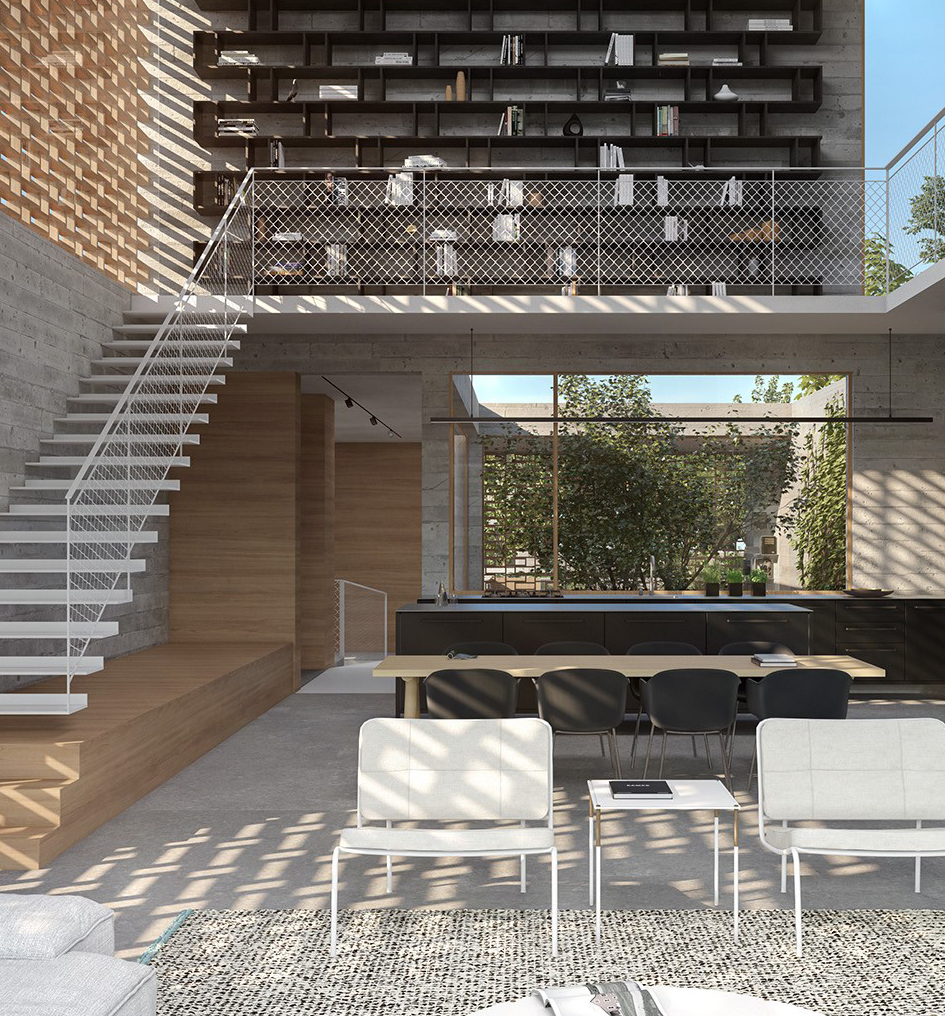
Home Renovations
Home renovation services can cover a wide range of improvements and repairs to enhance the functionality, aesthetics, and value of your home. Here are some common types of services offered:
1. Kitchen Remodeling: Update cabinets, countertops, appliances, and layouts to create a modern and functional kitchen.
2. Bathroom Renovations: Refresh or completely remodel bathrooms, including fixtures, tiles, and layout changes.
3. Basement Finishing: Convert an unfinished basement into a livable space, such as an extra bedroom, office, or entertainment area.
4. Interior Painting: Refresh the look of your home with new paints or finishes on walls, ceilings, and trim.
5. Exterior Improvements: Services such as siding replacement, roofing, window replacement, and painting to enhance curb appeal.
6. Flooring Installation: Replace or upgrade flooring with options like hardwood, laminate, tile, or carpet.
7. Room Additions: Expand your home’s footprint by adding new rooms or extending existing ones.
8. Deck and Patio Construction: Create outdoor living spaces with custom decks, patios, or landscaping.
9. Energy Efficiency Upgrades: Install insulation, energy-efficient windows, and HVAC systems to reduce energy costs.
10. Home Automation and Smart Technology: Install smart home devices for improved convenience and security.
If you are looking for specific services or information about home renovations, feel free to ask!

Project Management
Project management in real estate involves overseeing various aspects of property development and renovation projects to ensure they are completed on time, within budget, and to the desired quality standards. Here are key components and roles involved in real estate project management:
Key Components
- Planning: This involves defining project goals, establishing budgets, creating timelines, and identifying resources. Effective planning sets the foundation for successful project execution.
- Design and Development: Collaborating with architects, designers, and engineers to create blueprints and design specifications that meet client needs and comply with regulations.
- Permitting and Zoning: Navigating local zoning laws and obtaining the necessary permits and approvals from governmental authorities to proceed with construction.
- Budget Management: Monitoring costs throughout the project, including materials, labor, and unexpected expenses, to ensure the project stays within budget.
- Scheduling: Developing a detailed project timeline that outlines all phases of the project, setting milestones, and ensuring that tasks are completed on schedule.
- Risk Management: Identifying potential risks to the project, such as delays, budget overruns, or compliance issues, and developing strategies to mitigate these risks.
- Contract Management: Working with contractors and subcontractors, negotiating contracts, and ensuring that all parties adhere to the agreements made.
- Quality Control: Ensuring that all work meets quality standards and adheres to the project specifications through regular inspections and assessments.
- Communication: Maintaining clear communication with all stakeholders, including clients, contractors, and local authorities, to provide updates and address any issues that arise.
- Project Closure: Completing final inspections, ensuring all deliverables are met, closing out contracts, and obtaining any final approvals or occupancy permits.
Roles in Real Estate Project Management
- Project Manager: Oversees the entire project, coordinating between various stakeholders, managing resources, and ensuring project goals are met.
- Construction Manager: Focuses on on-site construction activities, overseeing labor forces, materials procurement, and daily operations.
- Architect/Designer: Responsible for the project’s design and ensuring that it meets both aesthetic and functional requirements.
- Cost Estimator: Prepares initial cost projections and helps manage and track project budgets.
- Site Supervisor: Monitors the construction site, ensuring work aligns with project plans and safety regulations.
- Real Estate Analyst: Evaluates market trends, property values, and project feasibility.
By effectively managing these components and roles, project managers can deliver successful real estate projects that meet the needs of clients and stakeholders. If you have specific questions or need further details, feel free to ask!